The phrase, “permanently disabled,” was never meant for me. That’s what happens to other people, but not me. Afterall, I could literally climb mountains. Until I couldn’t. I could move heavy things wherever I wanted. Until I couldn’t. I could jog, kayak, kickbox, and challenge my body to move, stretch, and transform. Until I couldn’t.
I got sick and my body changed. Whereas once I could hike for hours, now I’m told a three minute walk without a body crash is success. Whereas once I could push my limits and raise my heart rate to challenge my health, now I’m told that I should try to not let my heart rate increase above 106. And I got weaker. I gained more weight from being unable to move the way I once could. I lost so much of who I was so quickly, but refused to accept that this was now my norm. I would get better. I would get back to who I was before I got sick. I would be me again.
But here I am, almost 2 years in with the memories of who I was now becoming more and more distant. Here I am with the corporations and insurance companies throwing that term “permanently disabled” my way. I sobbed on the phone when the one adjuster used this term. I told him that means not getting better. I want to be better. I want to be who I was before this. He couldn’t get me off the phone quick enough. And the denial of that phrase being attached to me grew along with the anger that there is currently no cure and no improvements. There’s only more money out for new trials. More money out for more doctor forms. More paperwork to prove I’m sick when I just want to be well.
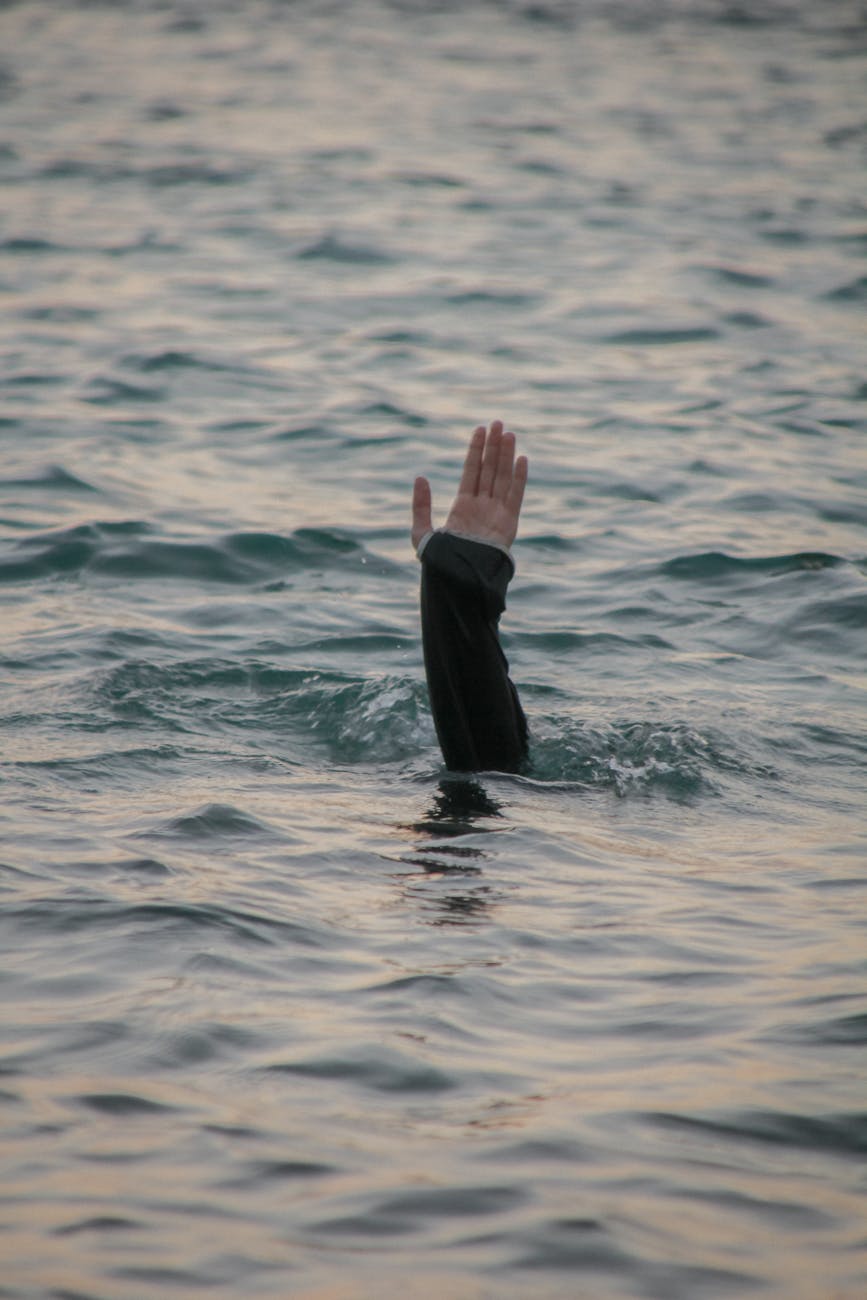
In my grief of who I was before, a psychologist told me I needed to be doing the things I love to work through the dark cloud consuming me. The things I loved to do to feel better emotionally were almost all connected to the abilities of a body that no longer has those abilities. And lower and lower I sank. Me, the person who could make a joke about absolutely anything horrible in life, remained humourless about my “disability” and circumstance. And I removed myself from the world and those around me more and more.
And as I fight with doctors and corporations to be seen and recognized and for hopes of healing something so new, I am faced with the reality that I took my body for granted. I took that ability to get up and go do things whenever I wanted as a luxury that was for me indefinitely. And I began to understand more of the struggles my chronically ill friends endure between the advocating and paperwork and that loss of self through loss of movement and loss of energy.
I hate this. I hate not feeling like me because my body no longer cooperates with what I want it to do. I hate feeling like a burden and less than whole because I can’t complete the tasks I once did. I can no longer scrub and organize a house in two days. It took me a month between crashes and having to go over what I had already done as I went. I can’t take my kids adventuring like I once did and that transfers grief to them as well. The “let’s go adventure, Mum” is replaced with “let Mum rest.” Potentials of my career being impossible to return to loom and what that means for finances, benefits, pensions, and more deplete me further. I continually feel like less than myself and a burden to those around me because of what I can no longer do or what I can no longer do quickly. For someone who would push to complete things, the things that stack up to be completed bury me alive in my own disappointment.
I took my body for granted. And as much as I hope that I will get better, the phrase, “permanently disabled” stalks behind me waiting to trap me into a world of can’ts that I’m still not ready to accept as reality. I want to be better, but I need to accept that maybe I won’t be who I was before this and apologize to myself for assuming I’d always be unstoppable.

 Continual Momentum